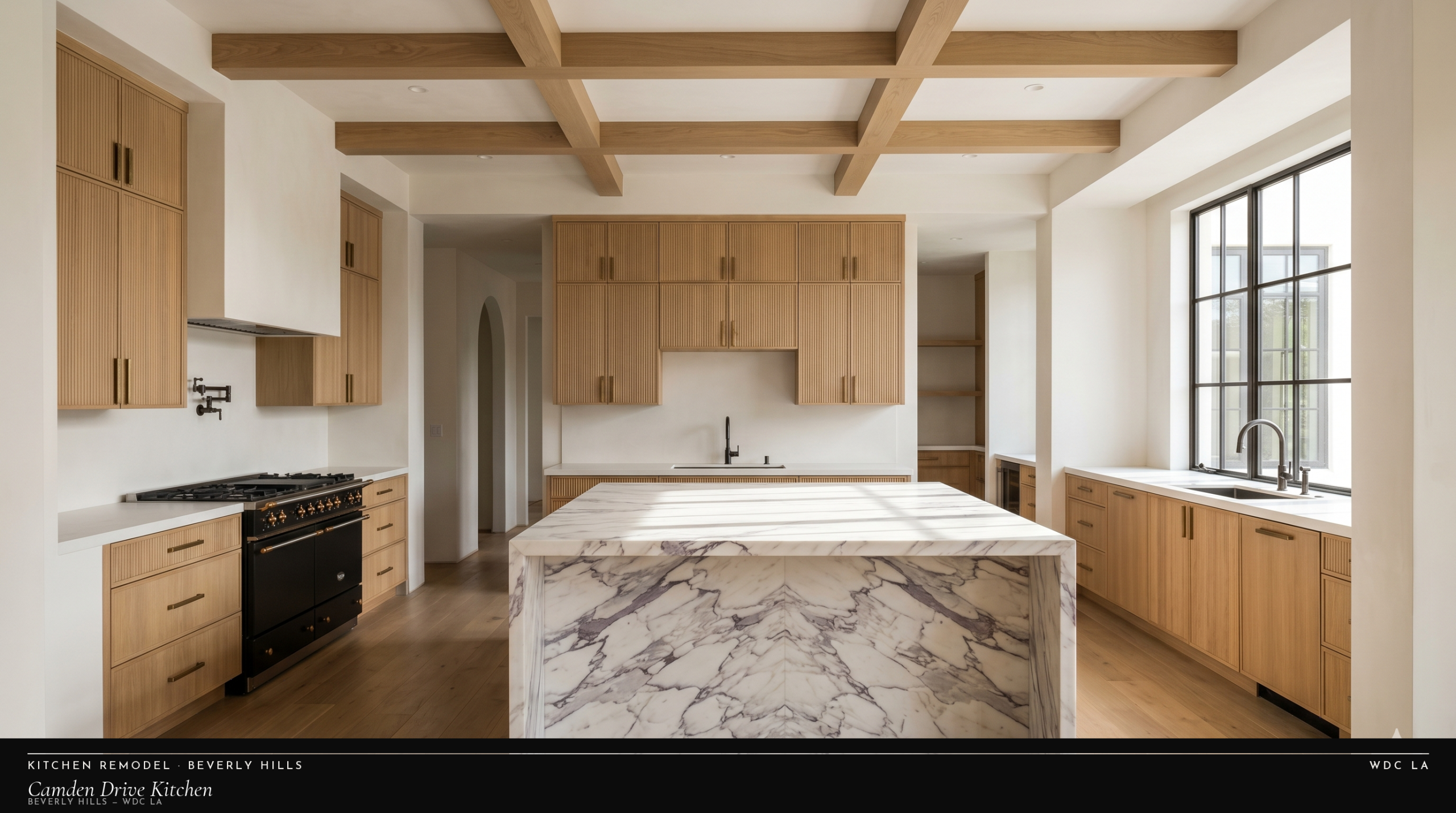
A luxury kitchen remodel in Los Angeles in 2026 typically runs $150,000 to $500,000, takes 14 to 22 weeks on the construction side, and turns on three structural decisions made in the first month — whether a wall comes down, whether the island moves, and whether cabinetry is custom or semi-custom. Cabinetry plus appliances absorb roughly 60% of total cost on a high-end build. We Do Construction — a Los Angeles design-build firm licensed in California (CSLB #1096552) and listed in the Architectural Digest PRO Directory — has delivered these projects across Beverly Hills, Brentwood, Pacific Palisades, and Santa Monica. The Camden Drive Kitchen, a recent 480-square-foot full gut in Beverly Hills, is a working illustration of how those early structural decisions drive everything that follows — cost, schedule, and what the room actually feels like at completion.
Project
Camden Drive Kitchen
Neighborhood
Beverly Hills · 90210
Scope
Full gut · wall removal · structural beam
Square Footage
480 sf · island-and-perimeter
Cabinetry
Custom rift white oak · panel-front appliances
Delivery
Design-build · WDC
Luxury LA
Construction
Appliances
Design + Permit
The numbers most homeowners need to hear first
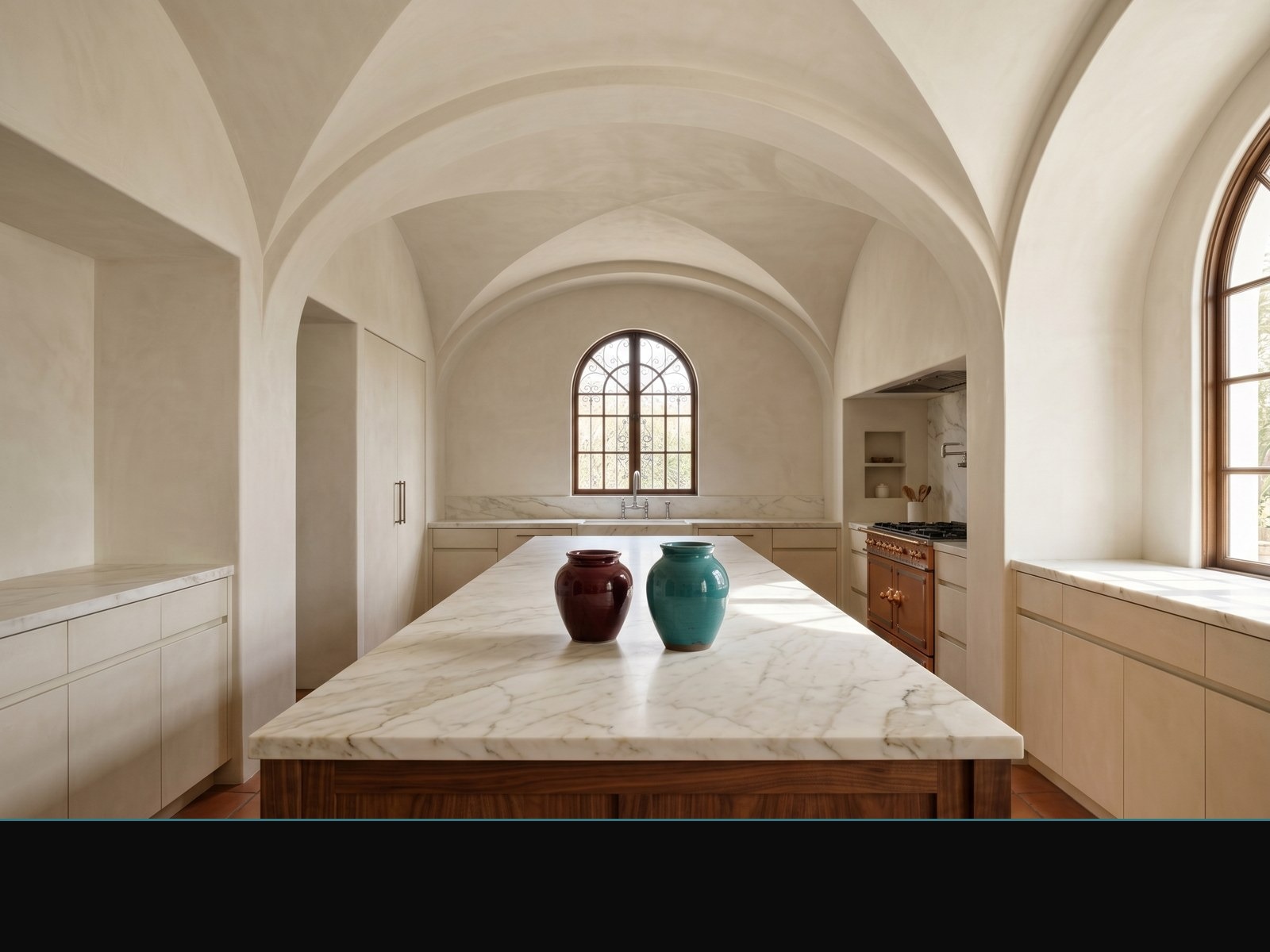
Three pricing tiers cover most of the LA luxury-kitchen market:
What actually drives cost in a Los Angeles kitchen
Five line items absorb the majority of every luxury LA kitchen budget. Knowing the proportions early is the difference between a project that lands on number and one that drifts:
- Cabinetry: 28–38% of total. Custom rift oak or fumed walnut from a local mill, mortise-and-tenon, soft-close everywhere, integrated lighting.
- Appliances: 18–25%. Sub-Zero refrigeration column + freezer column, Wolf range or Lacanche, Miele dishwasher (often two), Best or Vent-A-Hood liner.
- Counters + backsplash: 8–14%. Single-slab quartzite or honed marble, full-height splash, water-jet detail at the range wall.
- Structural + electrical + plumbing: 12–18%. Beam where the wall came down, sub-panel upgrade, gas line resize, hood ductwork through second story.
- Tile, flooring, paint, lighting, fixtures, labor margin: the remainder.
Sixty percent of the budget is the millwork shop and the appliance package. The rest is structure, finish, and how well the field crew can hold tolerance on the cabinet install.— Jacob Bachar, WDC
Permits, walls, and structural decisions
Three structural questions answer themselves in the first design meeting:
- Does a wall come down? If yes, the project crosses into LADBS structural permit territory — engineered beam, lateral analysis, post-installed connection details. Add 4–6 weeks to the calendar and $25,000–$60,000 to the budget.
- Does the island move? Island repositioning typically requires re-routing gas, water, drain, electrical, and dedicated circuits through the slab or crawl space. Cost: $8,000–$22,000 depending on the slab condition.
- Does the hood vent to the roof? Code-compliant make-up air for a 1,200+ CFM hood requires a dedicated path. Two-story homes with a kitchen below routinely need ductwork through closets or pilasters.
A WDC pre-design walk-through identifies these three decisions in the first hour. Skipping the walk-through is the most common reason kitchen remodels go over schedule.
The cabinetry decision
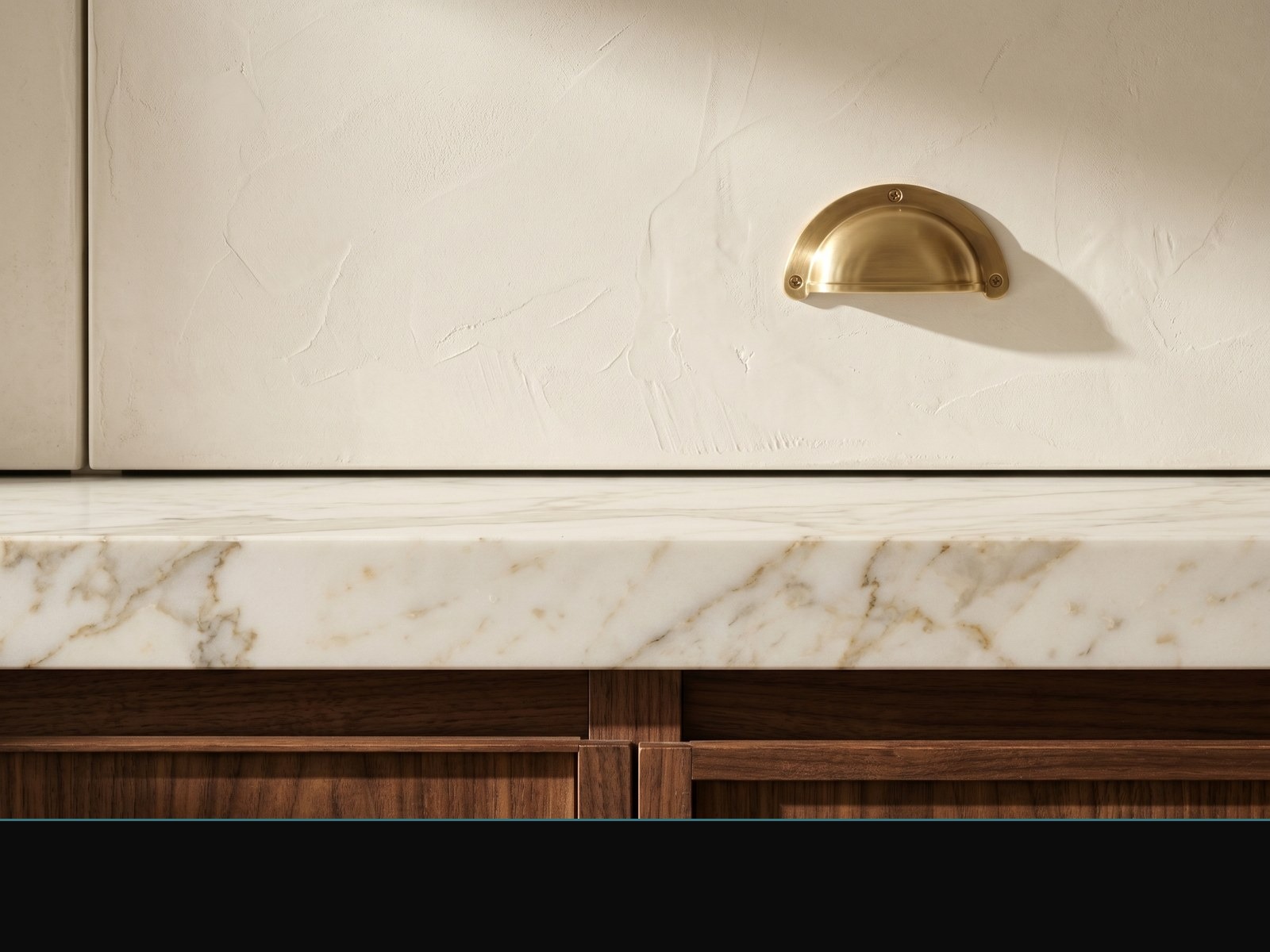
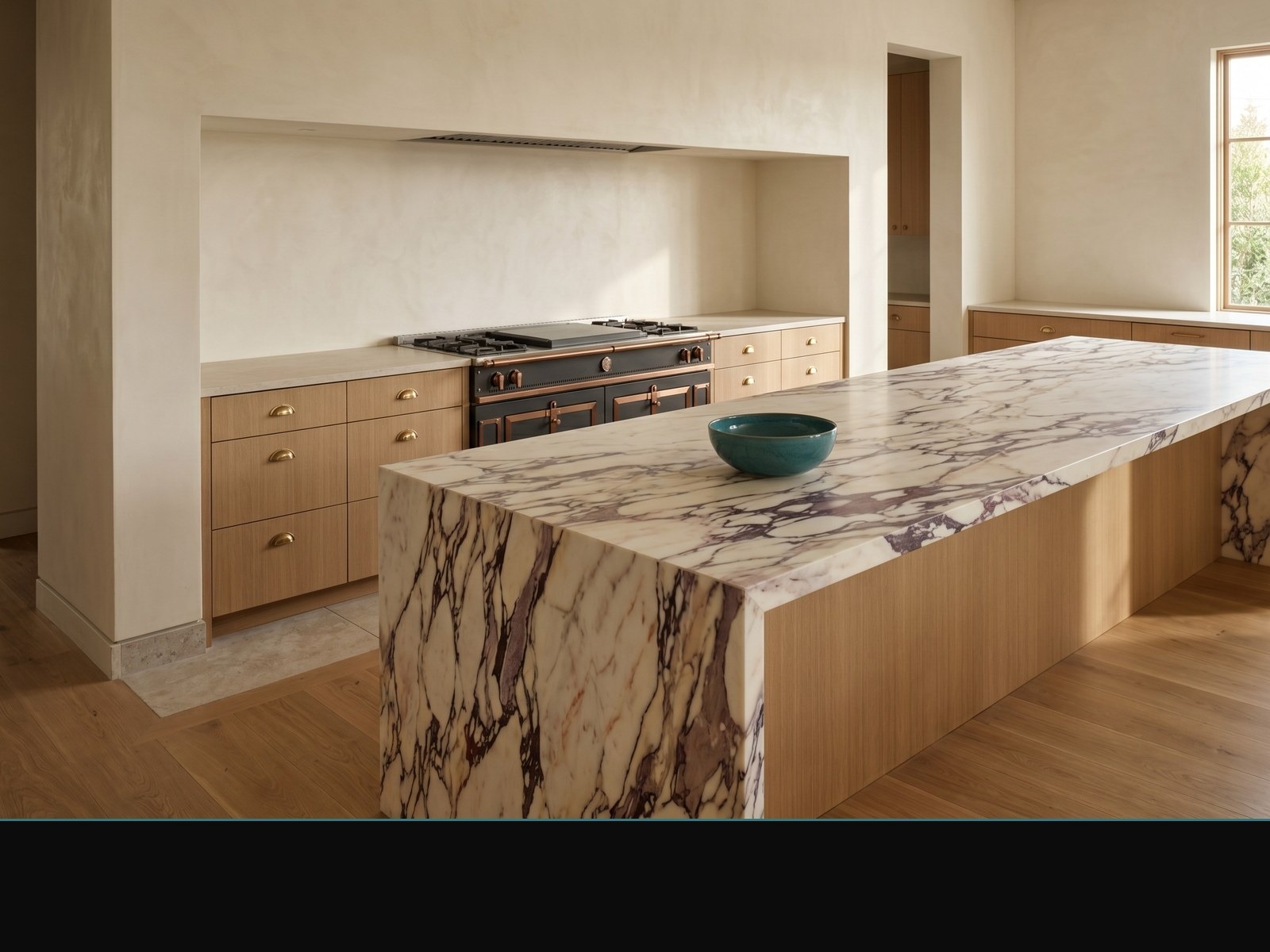
Custom millwork from a Southern California shop is the through-line on every WDC luxury kitchen. The semi-custom path (RTA-shop boxes with custom doors) saves 25–40% on the cabinetry line but visibly fails on three details: drawer-front alignment around appliances, panel matching at the refrigerator, and crown-and-base transitions at uneven walls. On a kitchen at this budget, the savings rarely justify the visual cost. Where semi-custom does work: utility rooms, butler’s pantries, deep storage where appliance integration is not on the line.
The line between a $200K kitchen and a $350K kitchen runs through the cabinet shop. Custom millwork buys tolerance — the room finishes flush, even, and integrated. Semi-custom shows its compromises at the appliance line.— On cabinetry tiers
Timeline, end to end
- Design + selections: 4–6 weeks
- Permitting (if structural): 4–8 weeks, runs in parallel with cabinet ordering
- Cabinetry lead time: 10–16 weeks from order to delivery
- Demo + rough trades: 2–3 weeks
- Cabinet install + finish trades: 8–12 weeks
- Punch + appliance commissioning: 1–2 weeks
- Total construction: 14 to 22 weeks. Total from kickoff to dinner: 22 to 32 weeks.
What the numbers actually look like
Why design-build on a kitchen remodel
Architect-led-then-bid sequences expose kitchen-remodel owners to two recurring problems: the cabinet shop receives drawings that do not account for actual field conditions (out-of-plumb walls, soffits, mechanical chases), and the general contractor inherits a finish schedule priced against last year’s appliance market. Design-build collapses both gaps. The cabinet shop walks the room with the field crew before drawings finalize. The appliance and tile selections lock at the price the build is contracted at.
Design-build remodeling works particularly well on kitchens because the system is bounded: a single room, a fixed set of trades, a known appliance ecosystem. The variance lives entirely in the millwork and the finish layer — and those are exactly the variables a design-build team controls best.
Frequently asked questions
How much does a luxury kitchen remodel cost in Los Angeles?
How long does a kitchen remodel take?
Do I need permits for a kitchen remodel in LA?
What drives kitchen remodel cost the most?
When should a wall come down in a kitchen remodel?
Related Projects
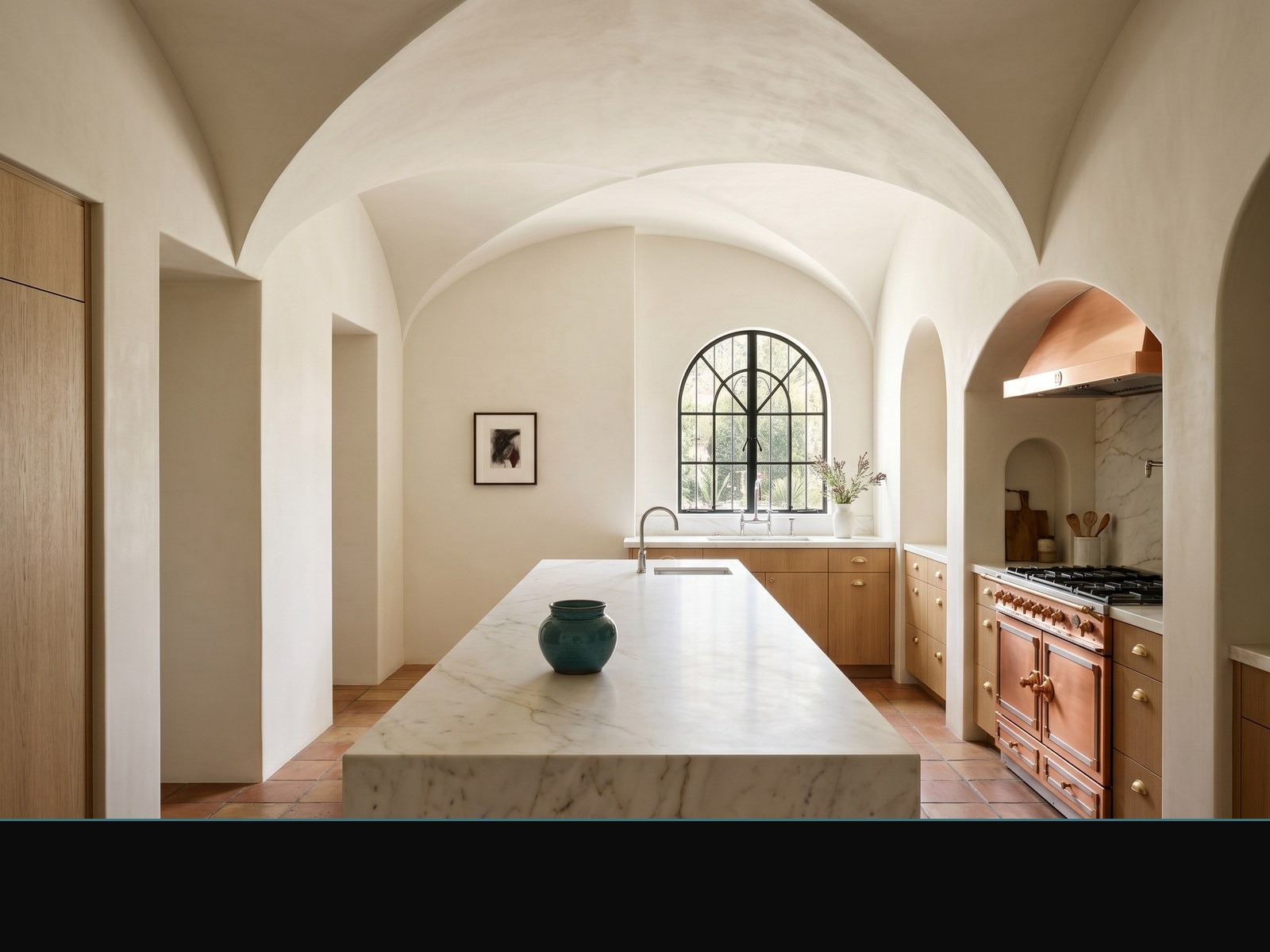
The Beverly Hills Kitchen Volume
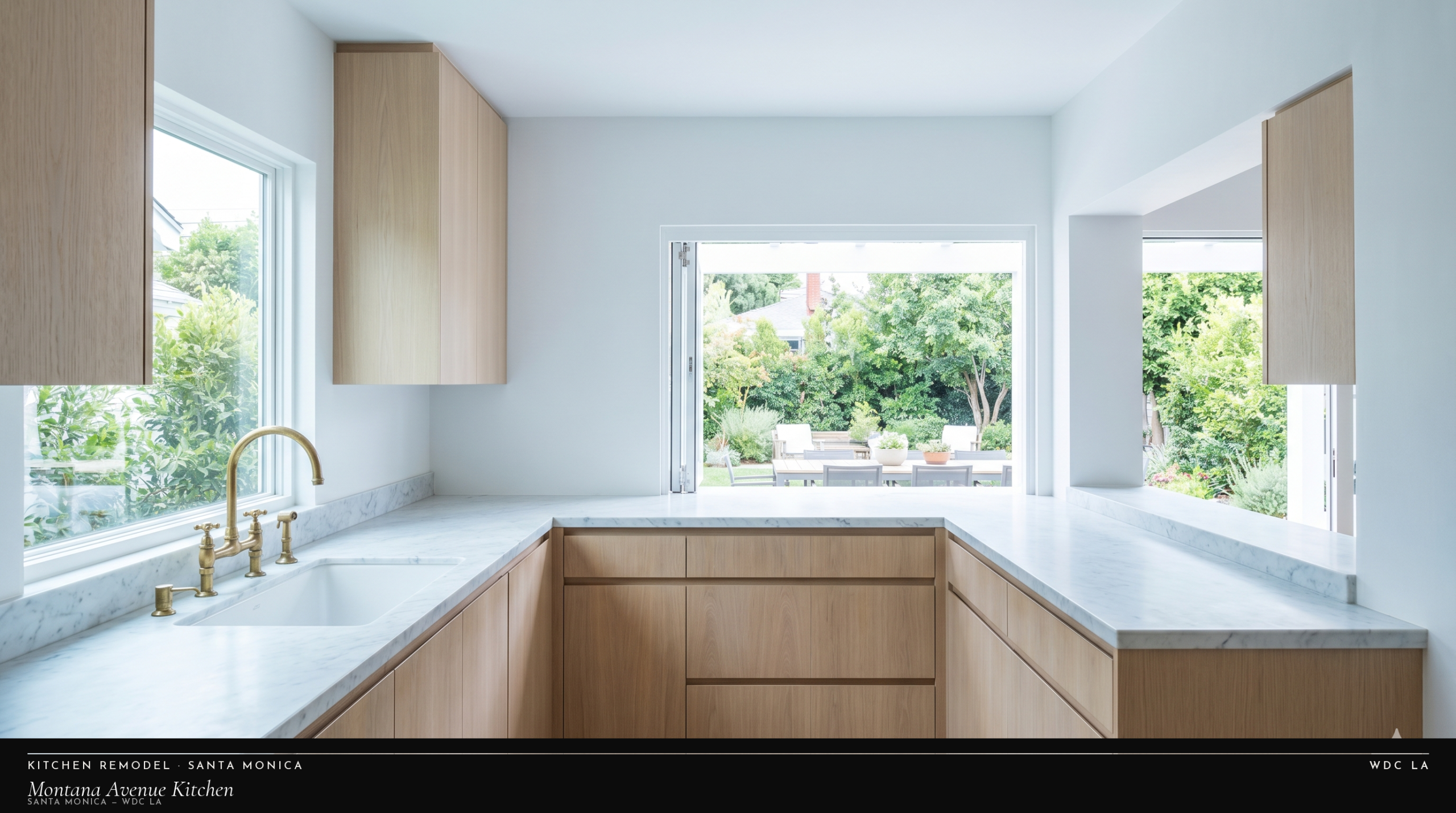
Montana Avenue Kitchen
Brentwood Light Study Kitchen